
Country
Houses
Dyer Grimes Architecture
specialist planning expertise in
Country Houses







Dyer Grimes Architecture
While our primary focus lies in central London, we are equally passionate about bringing our design excellence to country house projects across the UK. From contemporary architectural masterpieces nestled in rolling landscapes to the sensitive restoration of historic estates, we have the experience and vision to create homes that harmonise with their surroundings while offering the very best in modern living.
Our country house work spans St Albans, Maidenhead, Sevenoaks and much of Surrey – including Cobham, Epsom, Guildford, Dorking, Esher, Weybridge, Sunningdale, St Georges Hill and Egham. If you’re looking for St Albans Architects, Maidenhead Architects or Sevenoaks Architects with genuine country house expertise, we can help you navigate rural and green belt planning to restore, extend or create a home that sits beautifully in its landscape.
Featured Projects


Specialist Planning Advice in
Country Houses
Kingston and Coombe offer a diverse architectural landscape, from elegant Georgian townhouses and
Arts and Crafts mansions to contemporary high-spec new builds.
The Coombe Estate, in particular, is known for its large, private residences set within leafy, secluded
grounds, while Kingston features a mix of period properties and modern riverside developments.
If you are planning an extension, renovation, or complete rebuild, it is essential to work with an
architect who understands the area’s stringent planning policies and conservation guidelines. Without
expert guidance, planning applications can face significant delays or rejection.


Coombe Lane, SW20.

Crescent Road, SW20.
The Royal Borough of Kingston upon Thames enforces strict planning policies, particularly within
conservation areas such as Coombe Hill, Coombe Wood, and the Kingston Old Town Conservation
Area. Planning applications must meet high architectural and environmental standards, with a strong
emphasis on design quality.
Many homes in Kingston and Coombe are classified as “Buildings of Townscape Merit,” requiring
detailed heritage impact assessments and Statements of Significance when making alterations.
Additionally, due to the area’s high property values and sought-after status, planning officers scrutinise
applications to ensure developments preserve the character and scale of their surroundings.
Kingston’s proximity to the River Thames means that certain developments may require Flood Risk
Assessments and sustainable drainage solutions. The borough’s green belt and Metropolitan Open Land
designations also impose restrictions on new builds and extensions, particularly in areas like Coombe
Hill, where properties benefit from extensive green surroundings
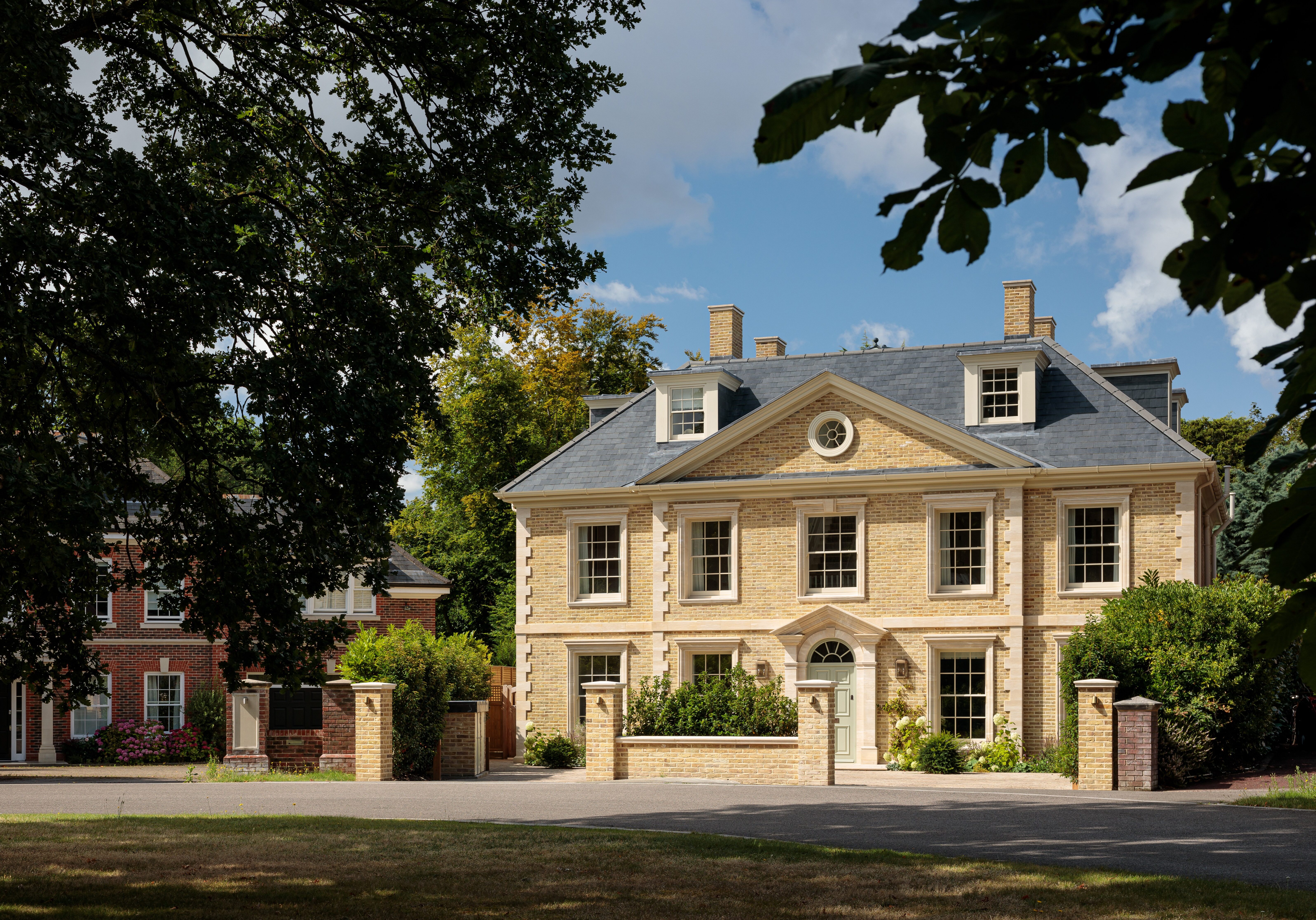
Coombe Lane, SW20.
For basement developments, comprehensive Construction Method Statements are required to address
structural integrity and minimise disruption to neighbours. Additionally, ecological surveys may be
necessary for homes near Richmond Park and Wimbledon Common, both of which are Sites of Special
Scientific Interest (SSSI).
Local groups such as The Kingston Society and The Coombe Residents’ Association play an active role
in planning consultations, making community engagement a key factor in securing approvals.
Kingston and Coombe offer a rare combination of privacy, green space, and excellent transport links,
making them some of the most desirable residential areas in Greater London. With prestigious schools,
historic landmarks, and stunning natural surroundings, the area remains a prime location for those
seeking a balance between city convenience and countryside tranquillity.


Coombe Lane, SW20.


Crescent Road, SW20.
Social Media
@dyergrimes_architecture