
Kensington
&
Chelsie
Dyer Grimes Architecture
Specialist Planning Expertise In
Kensington & Chelsea






Dyer Grimes Architecture
With over 30 years of experience and more than 100 planning, refurbishment, and total
rebuild projects in our portfolio across Kensington and Chelsea, we have a deep understanding
of the unique planning landscape in this prestigious borough.
Our established relationships with the Royal Borough of Kensington and Chelsea (RBKC)
planning officers provide a significant advantage—while the department is incredibly busy,
we have the expertise to navigate the process efficiently and secure successful outcomes
for our clients.
If you are considering purchasing and developing a property in this sought-after area, or
wish to enhance your existing home, Dyer Grimes Architects is the team you need.
With over 30 years of experience and more than 100 planning, refurbishment, and total rebuild projects in our portfolio across Kensington and Chelsea, we have a deep understanding of the unique planning landscape in this prestigious borough.
Our established relationships with the Royal Borough of Kensington and Chelsea (RBKC) planning officers provide a significant advantage—while the department is incredibly busy, we have the expertise to navigate the process efficiently and secure successful outcomes for our clients.
If you are considering purchasing and developing a property in this sought-after area, or wish to enhance your existing home, Dyer Grimes Architects is the team you need.
Featured Projects

Specialist Planning Advice in
Kensington & Chelsea
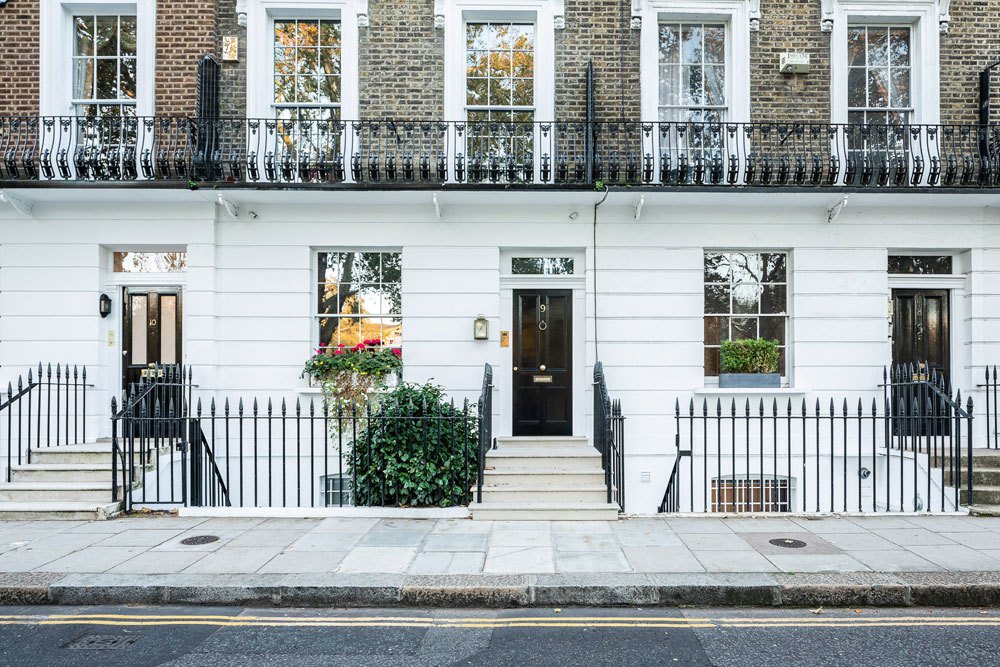
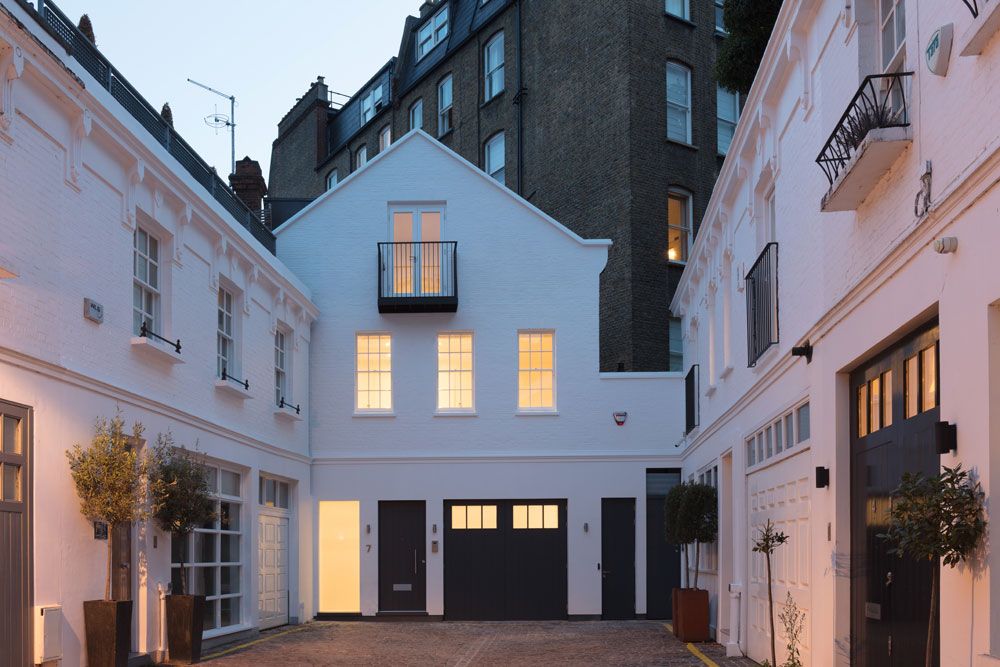
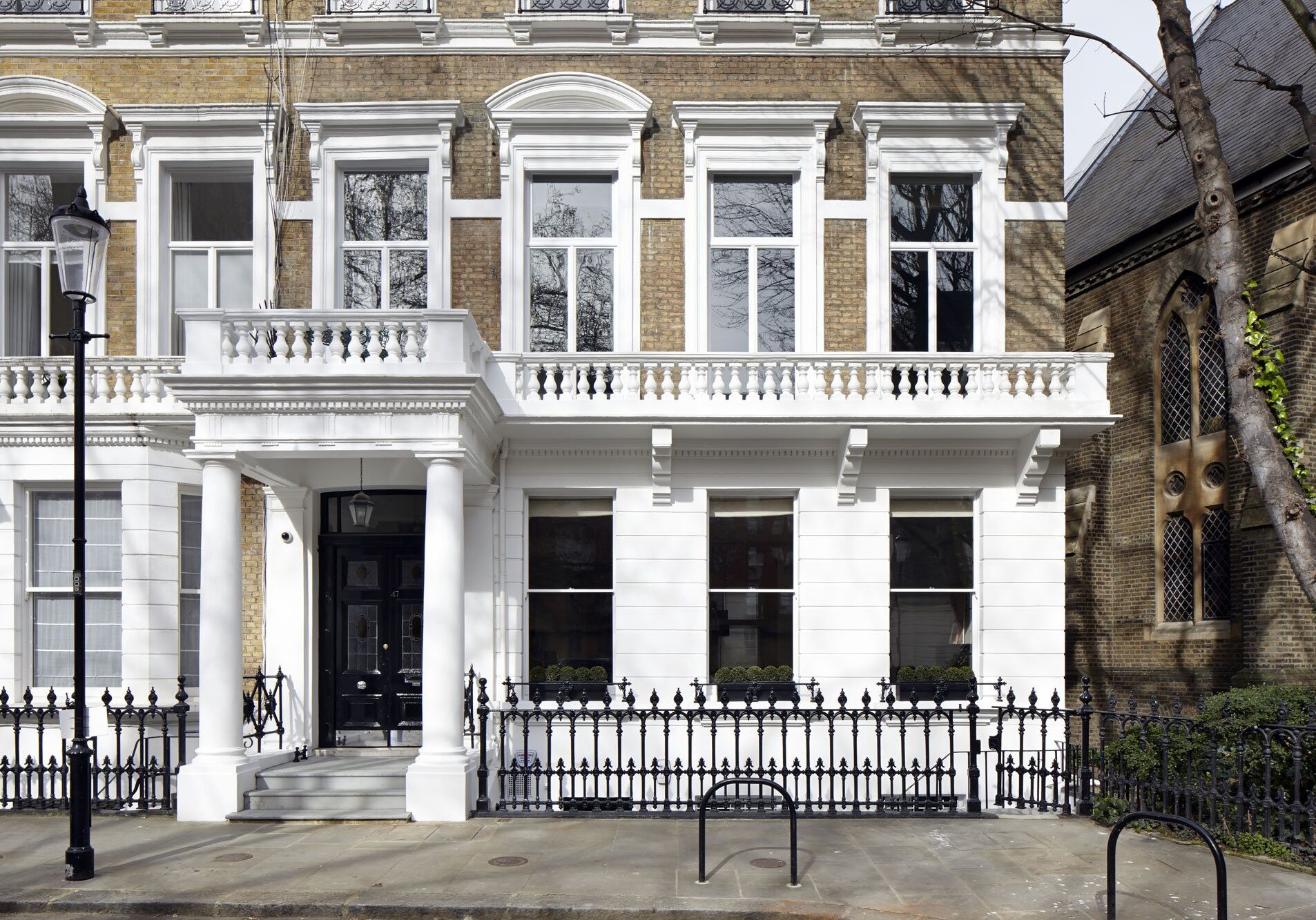
Kensington and Chelsea boast some of London’s most historically significant and architecturally
diverse homes, from grand stucco-fronted Victorian townhouses in South Kensington to elegant
Georgian terraces in Chelsea and contemporary mews houses tucked away in quiet corners.
If you are planning an extension, renovation, or full-scale rebuild, it is essential to work with an
architect who understands the borough’s strict conservation policies and the preferred solutions
of local planning officers. Without the right expertise, planning applications can face lengthy
delays or outright refusal.
Kensington and Chelsea boast some of London’s most historically significant and architecturally diverse homes, from grand stucco-fronted Victorian townhouses in South Kensington to elegant Georgian terraces in Chelsea and contemporary mews houses tucked away in quiet corners.
If you are planning an extension, renovation, or full-scale rebuild, it is essential to work with an architect who understands the borough’s strict conservation policies and the preferred solutions of local planning officers. Without the right expertise, planning applications can face lengthy delays or outright refusal.
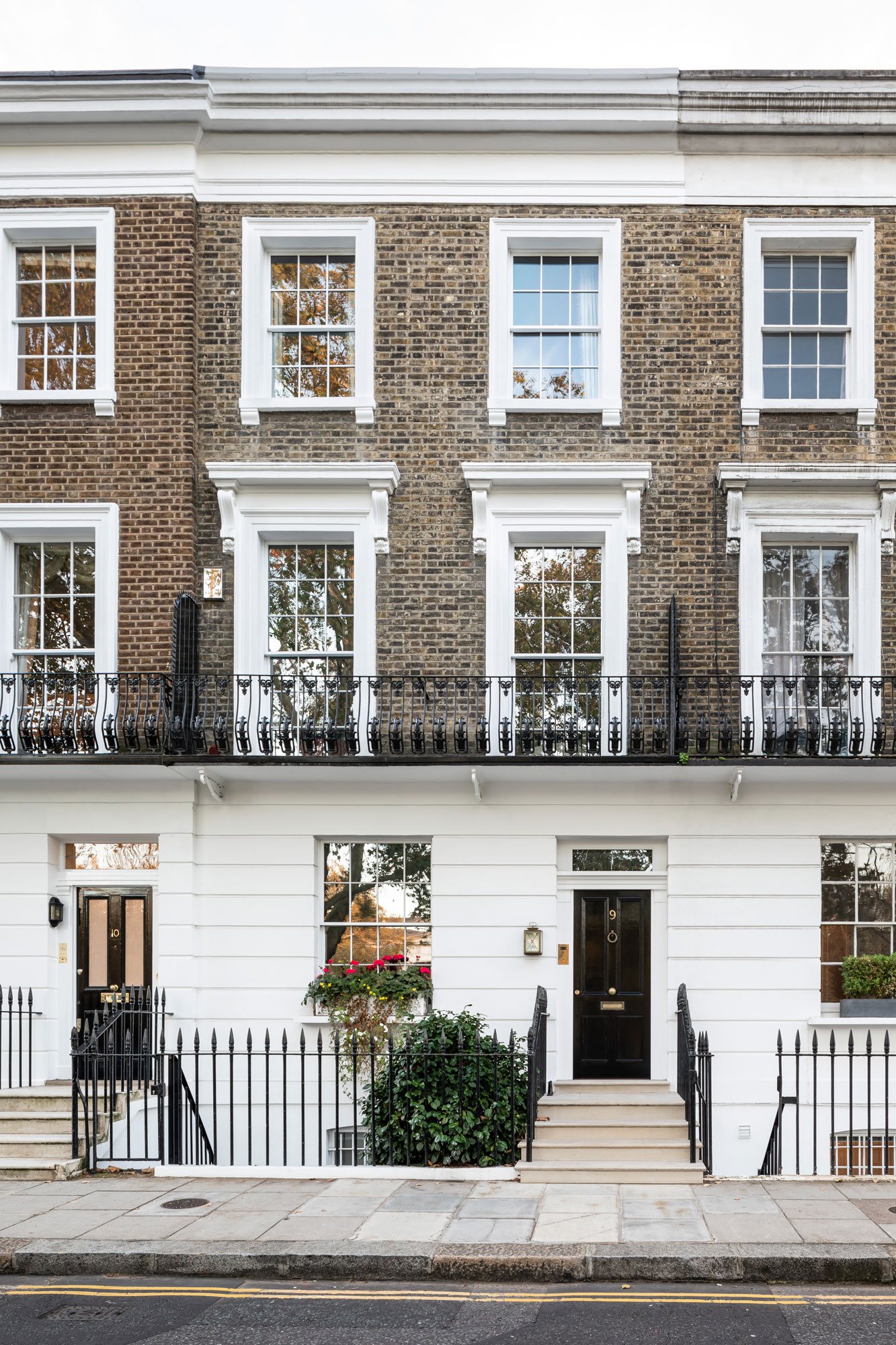
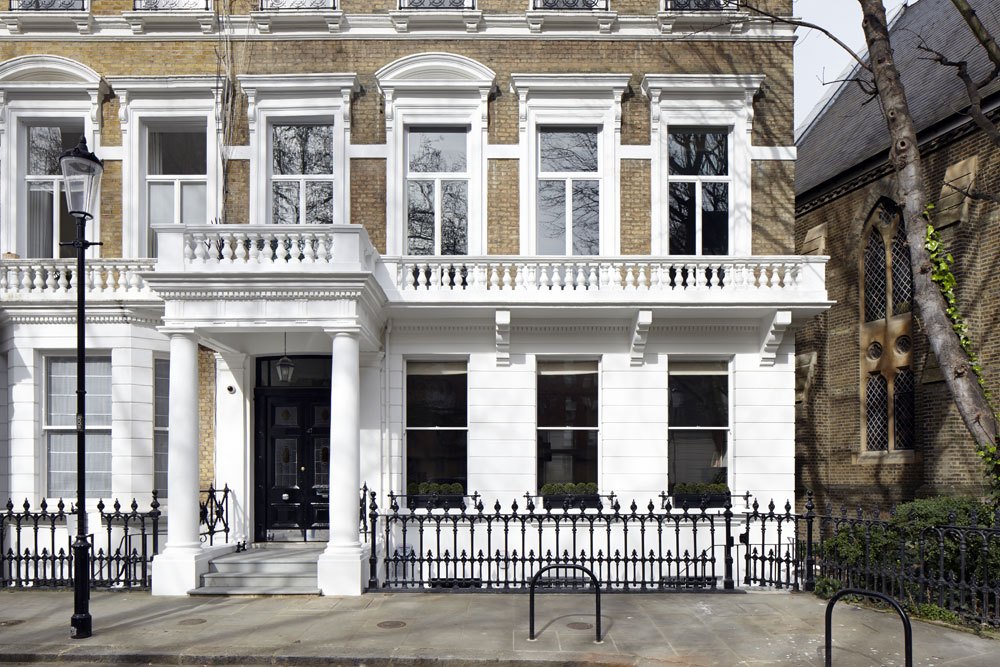
Cheltenham Terrace, SW3.
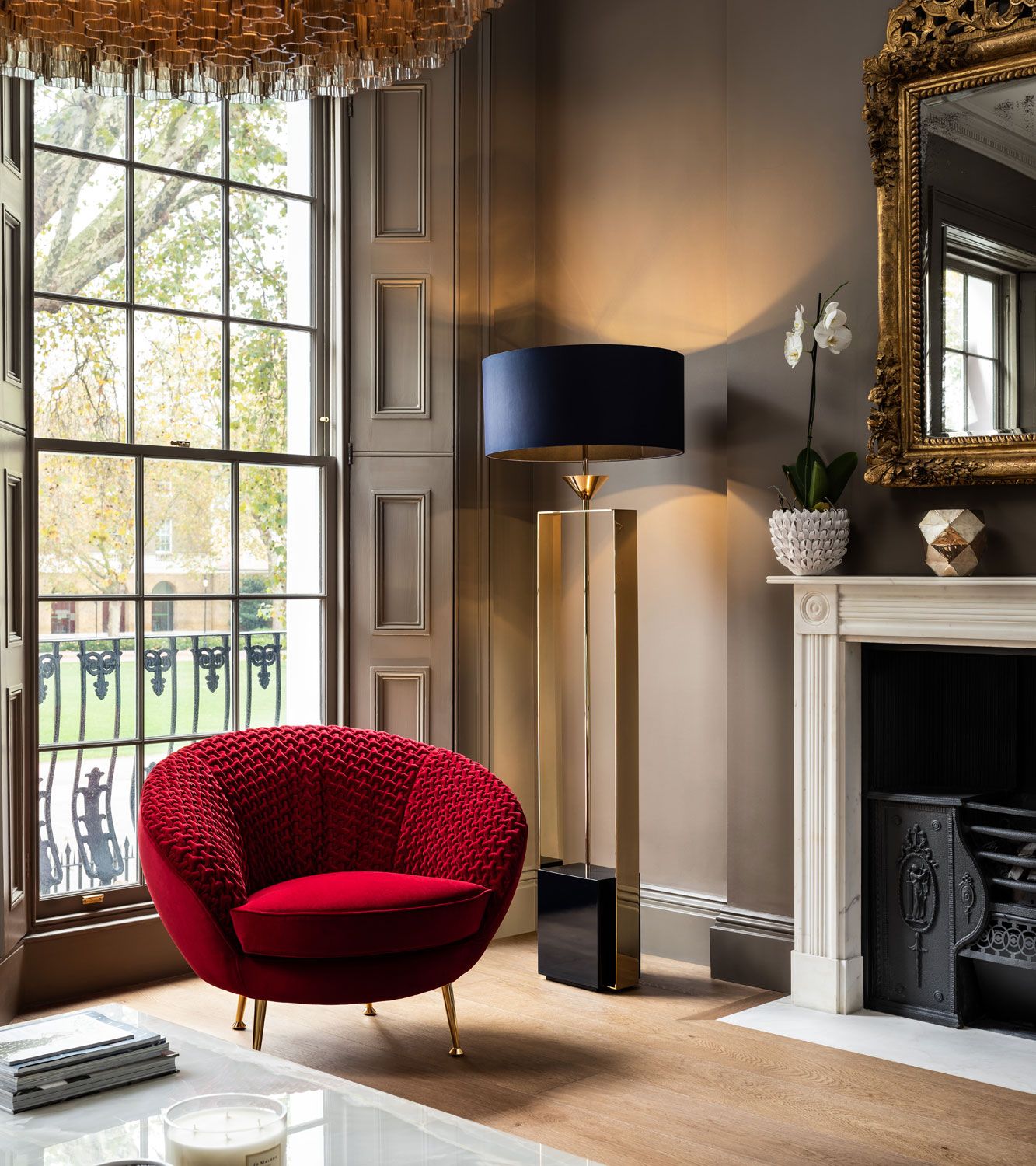
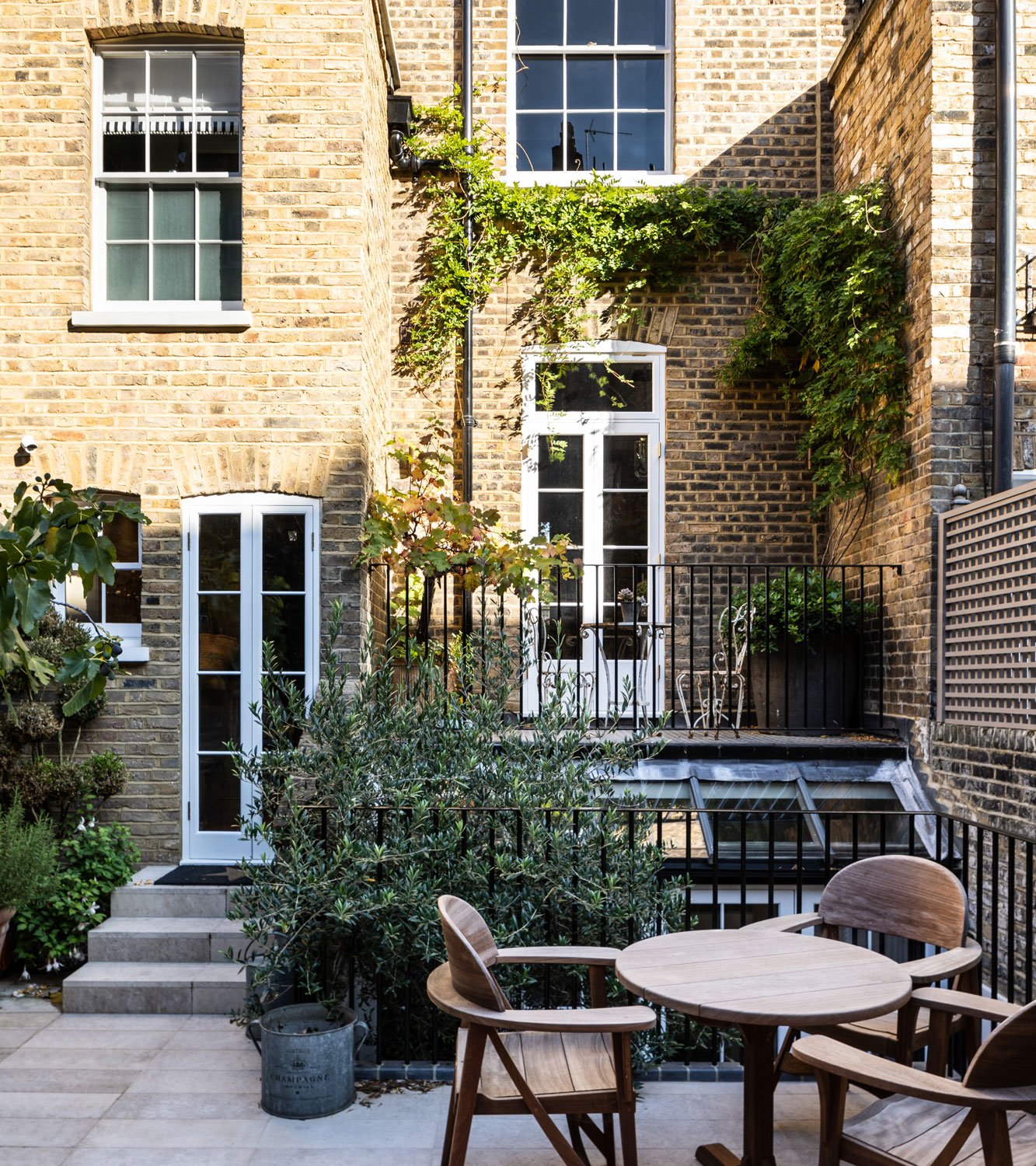
Cheltenham Terrace, SW3.
The Royal Borough of Kensington and Chelsea is renowned for its distinct character, protected
conservation areas, and stringent planning regulations. Each Conservation Area Appraisal provides
detailed guidance on design expectations, with many applications requiring adherence to high
architectural and historical standards.
The borough is home to a significant number of Grade I and II Listed Buildings, as well as
“Buildings of Merit,” which demand comprehensive heritage statements and impact assessments.
Developers must also consider the borough’s stringent basement development regulations,
requiring thorough Construction Method Statements to address structural impact and
mitigate disruption to neighbours.
Due to its high-density urban environment, Kensington and Chelsea also impose restrictions on
building volume increases, daylight impact, and overlooking considerations. Flood risk
assessments may be required for developments near the Thames, while ecological
surveys are often necessary for properties near Holland Park and other green spaces.
The Royal Borough of Kensington and Chelsea is renowned for its distinct character, protected conservation areas, and stringent planning regulations. Each Conservation Area Appraisal provides detailed guidance on design expectations, with many applications requiring adherence to high architectural and historical standards.
The borough is home to a significant number of Grade I and II Listed Buildings, as well as “Buildings of Merit,” which demand comprehensive heritage statements and impact assessments. Developers must also consider the borough’s stringent basement development regulations, requiring thorough Construction Method Statements to address structural impact and mitigate disruption to neighbours.
Due to its high-density urban environment, Kensington and Chelsea also impose restrictions on building volume increases, daylight impact, and overlooking considerations. Flood risk assessments may be required for developments near the Thames, while ecological surveys are often necessary for properties near Holland Park and other green spaces.
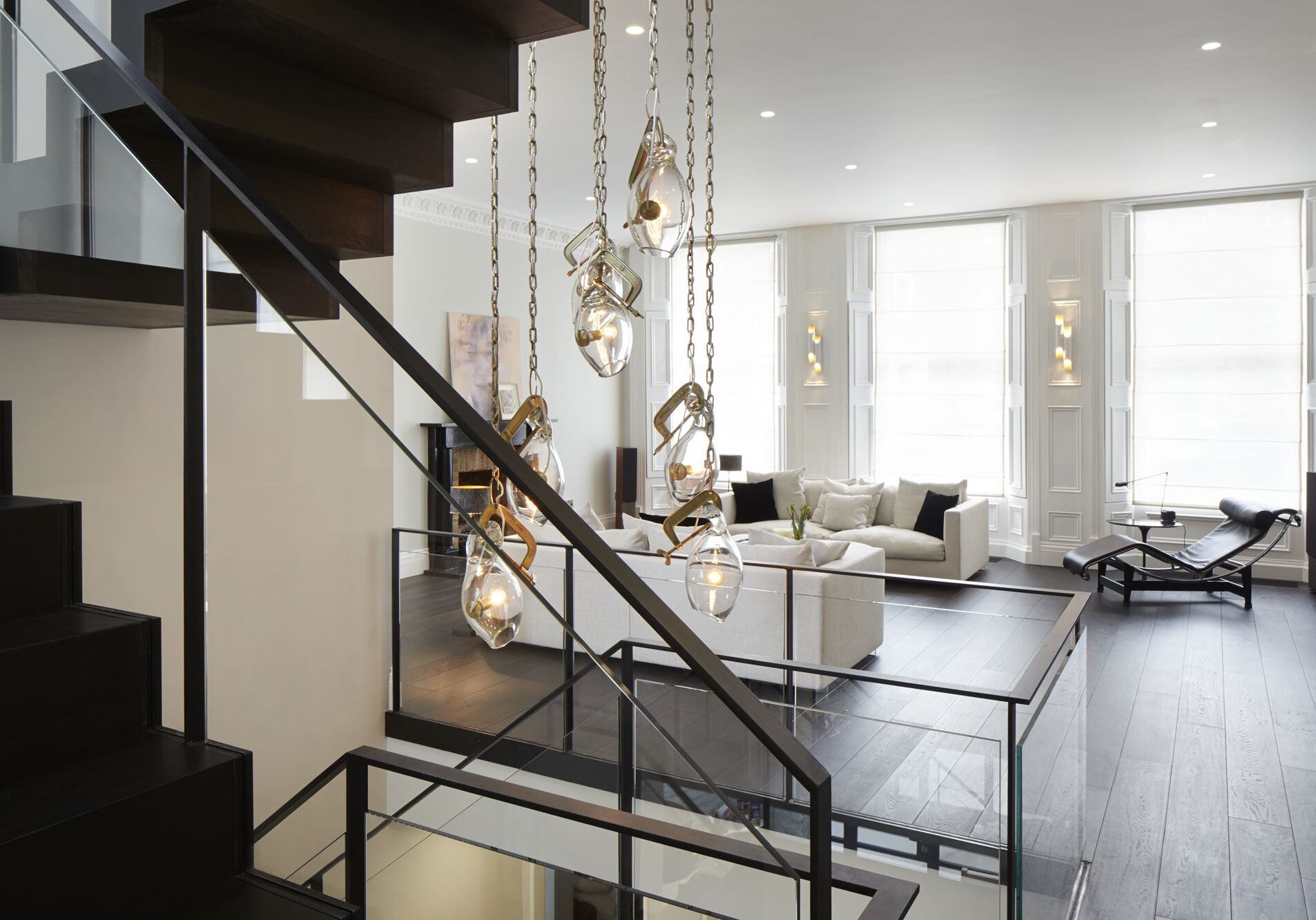
Emperors Gate, SW7.
Neighbourhood groups such as The Kensington Society and The Chelsea Society are
consulted on planning applications, making local engagement a critical aspect of
securing approvals.
Kensington and Chelsea offer an unrivalled blend of history, culture, and luxury, with
landmarks such as the Royal Albert Hall, Kensington Palace, and the King’s Road defining its
rich heritage. With world-class museums, exclusive shopping, and vibrant garden squares,
it remains one of London’s most desirable places to live.
Neighbourhood groups such as The Kensington Society and The Chelsea Society are consulted on planning applications, making local engagement a critical aspect of securing approvals.
Kensington and Chelsea offer an unrivalled blend of history, culture, and luxury, with landmarks such as the Royal Albert Hall, Kensington Palace, and the King’s Road defining its rich heritage. With world-class museums, exclusive shopping, and vibrant garden squares, it remains one of London’s most desirable places to live.
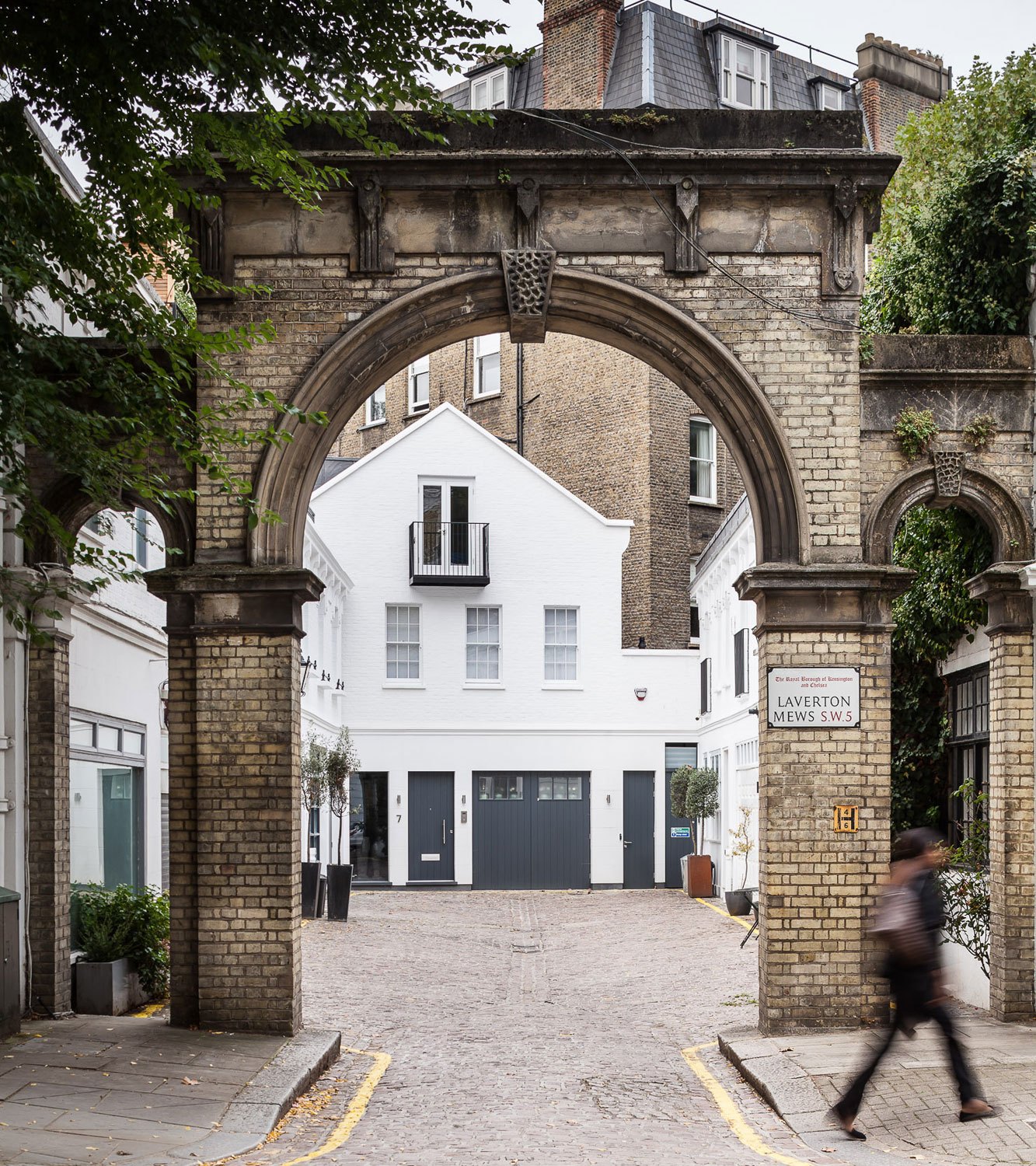
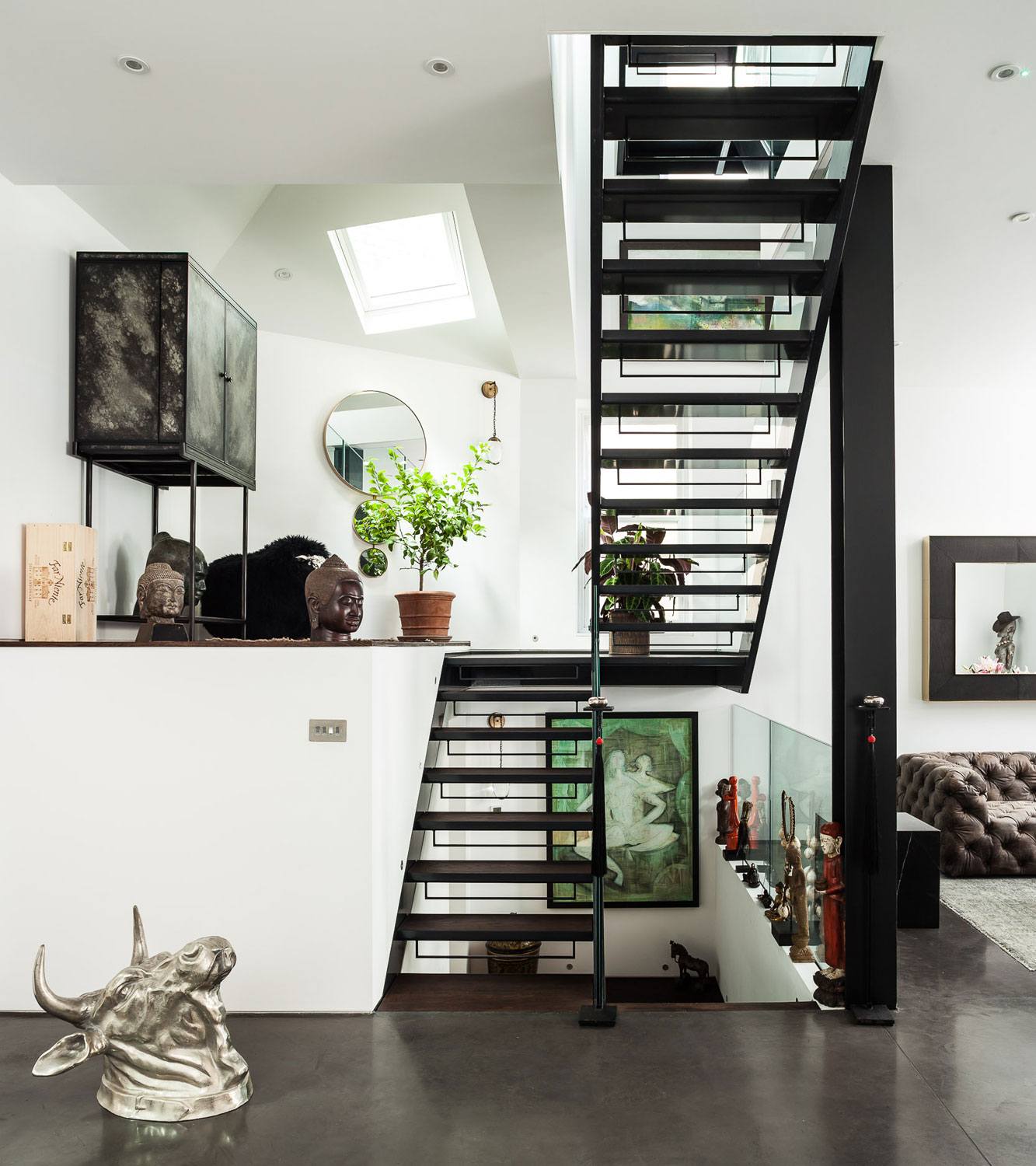
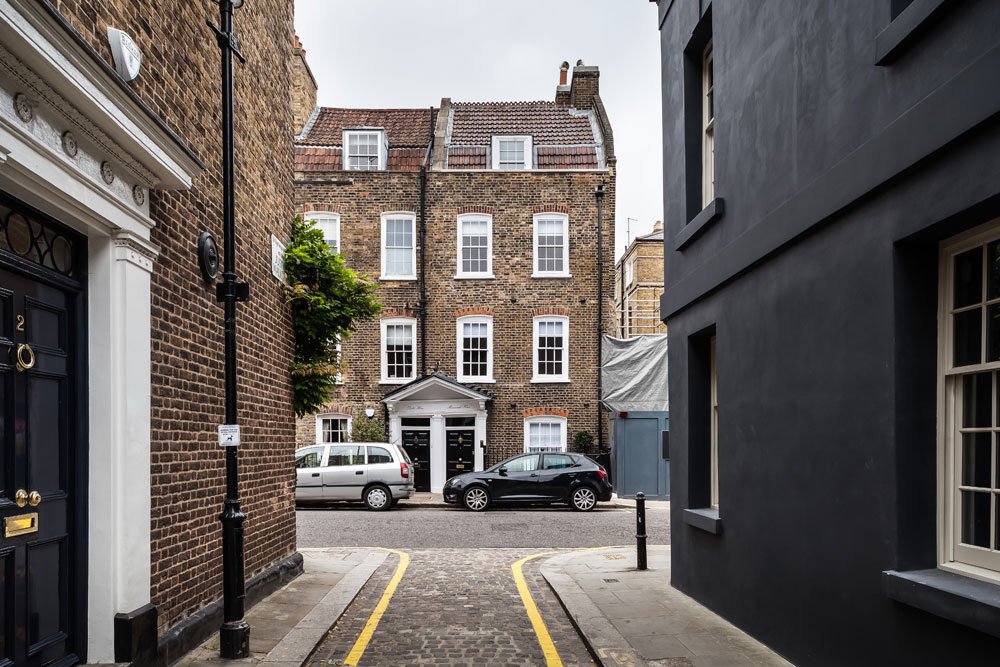
Laverton Mews, SW5.

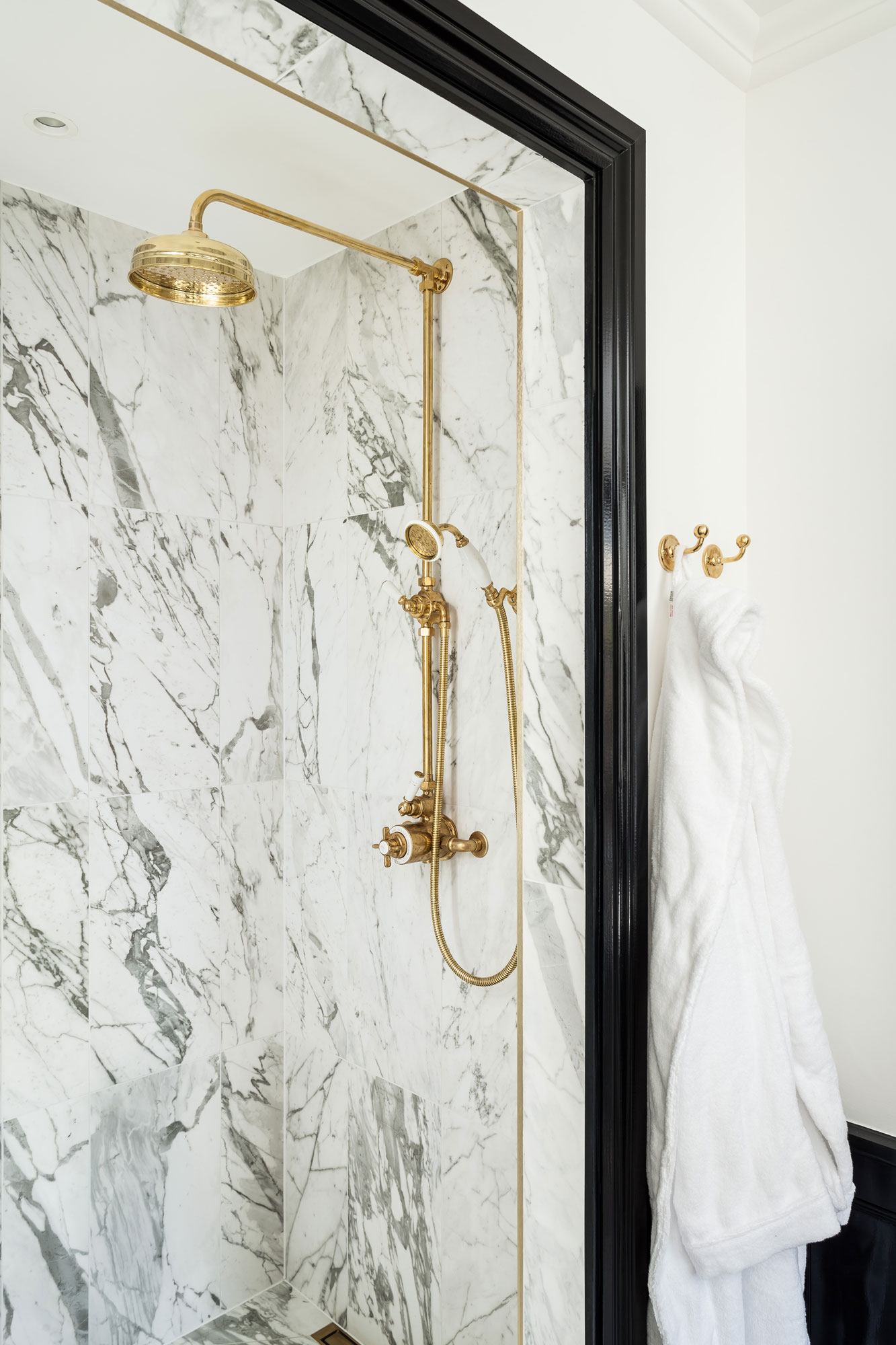
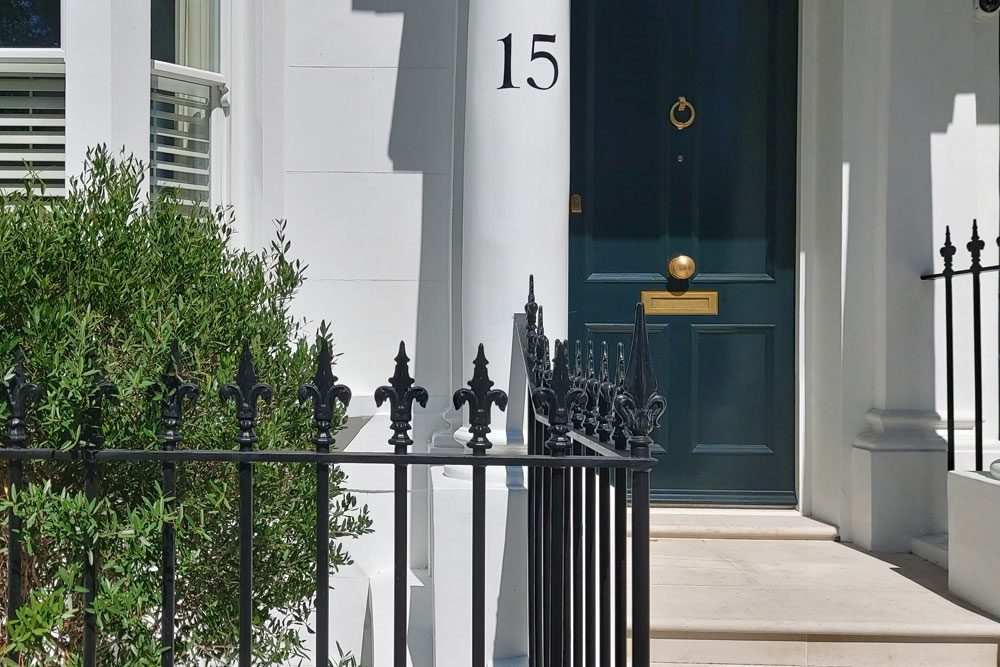
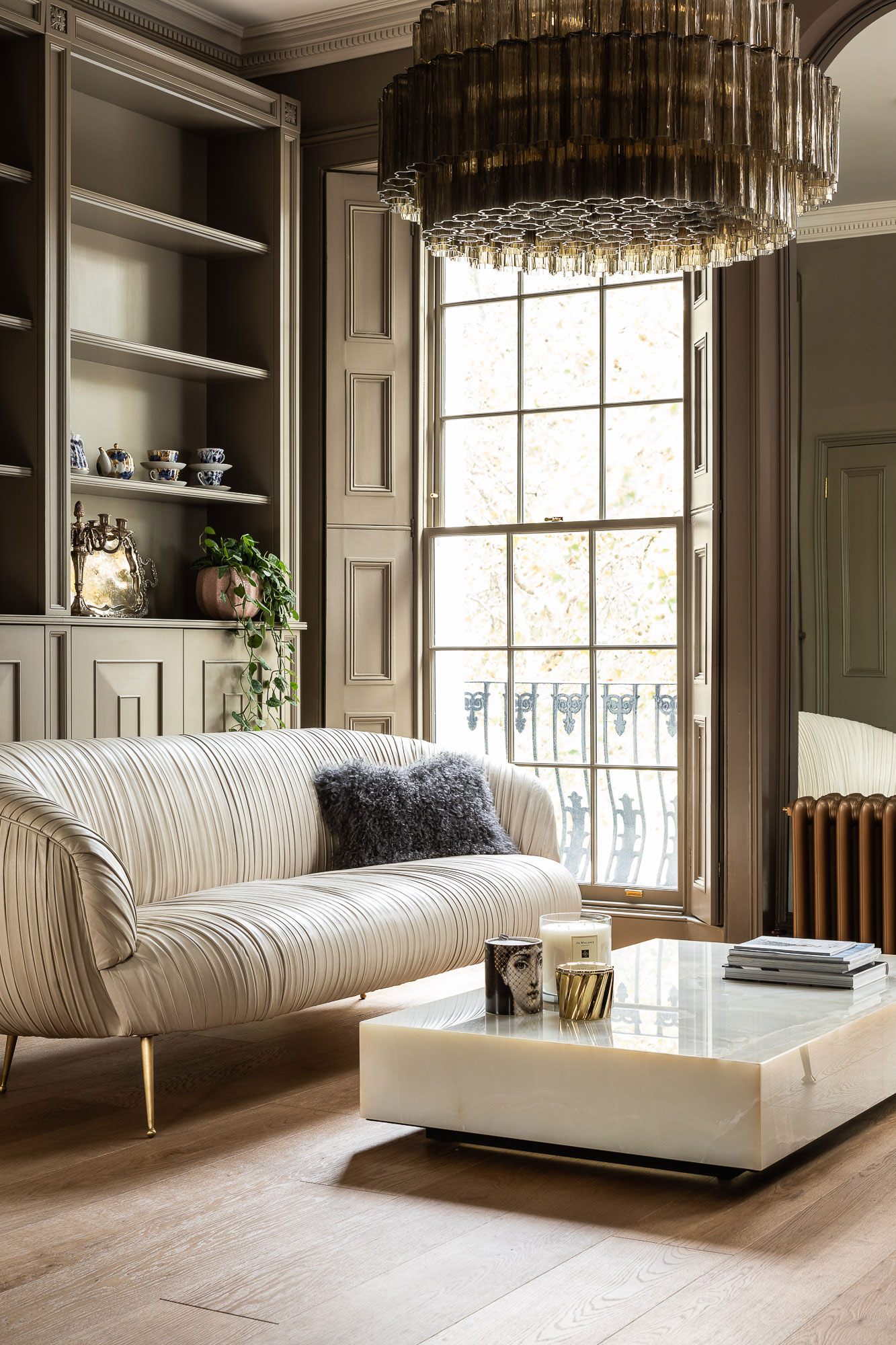
Lawrence Street, SW3.
Social Media
@dyergrimes_architecture